Early warning systems depend on speed, clarity, and trust in the underlying data. A blog template for this kind of story needs room for the operational context as well as the technical explanation behind the solution.
This dummy article uses the same Figma-derived layout as the metocean example, making it possible to test how longer headings, dense body text, and supporting media behave within the design.
Machine learning only adds value when it is grounded in domain knowledge and supported by monitoring workflows that users can actually act on. The same principle applies to design implementation: the template should be visually faithful, but also practical to maintain.
Because the page is generated from structured local data, the route can scale to additional slugs without duplicating layout code. That is the main implementation goal of this task.
The media block below remains a shared placeholder until final project-specific assets are provided.
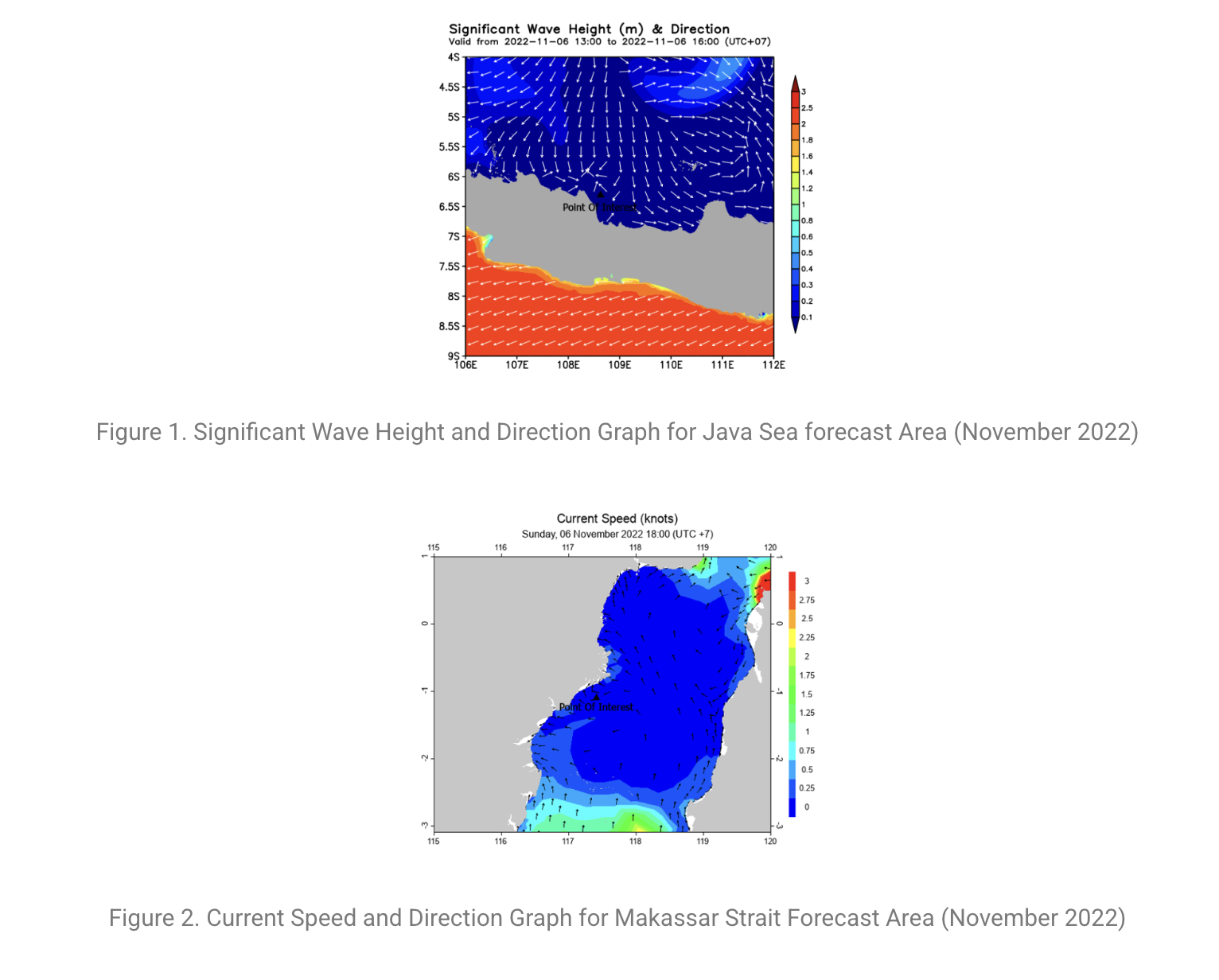
A sample report of the marine sea state prediction service can be seen here , and you can find more information about our other marine operation decision support system services here.
With the route and template in place, swapping dummy article blocks for real editorial content becomes a data task rather than another page build.